


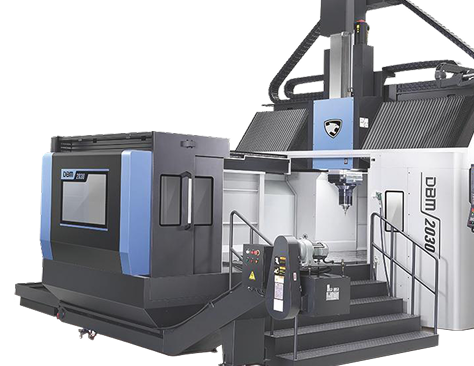


This is dummy content generated for the blog post guide.
Understanding the Shift Toward Smart Factories
Over the past decade, the manufacturing industry has undergone a massive transformation. Automation is no longer limited to simple repetitive tasks — it now powers complex systems capable of learning, adapting, and optimizing entire production lines.
Companies are investing heavily in smart technologies that not only increase efficiency but also reduce waste and energy consumption.
Key Technologies Driving Automation
The backbone of this transformation lies in several core technologies working together seamlessly:
Artificial Intelligence (AI): Improves predictive maintenance and production scheduling.
Robotics: Handles precision assembly and hazardous tasks with high accuracy.
IoT (Internet of Things): Connects machines, sensors, and data systems for real-time monitoring.
Cloud Computing: Provides scalable processing power and remote access to data analytics.
These technologies are shaping the next generation of factories — intelligent, adaptive, and highly efficient.
Benefits of Adopting Automated Systems
Automation offers numerous advantages that go beyond just reducing labor costs.
It enhances product consistency, accelerates production speed, and allows companies to respond quickly to market demands.
In addition, automation helps identify inefficiencies that might otherwise go unnoticed in manual workflows.
Challenges and Considerations
Despite the clear benefits, adopting automation isn’t without challenges.
Implementation requires significant upfront investment and proper staff training. Security also becomes a critical concern as connected systems can expose vulnerabilities if not properly managed.
Balancing automation with human oversight remains key to achieving sustainable progress.
new bullet point on the TOC section
FAQ Section
question 1
answer 1
question 2
answer 2
question 3
answer 4
What Should I Do Right Now?
If you’re evaluating new machining processes or equipment, our team can help you determine the best approach for your specific parts, offering guidance, insights, and practical recommendations based on your production needs and goals. Whether you’re optimizing existing workflows or exploring new manufacturing methods, we’re here to support your decision-making.

Post author
- info 1
- info 2
- info 3
You Might Also Like

Your Need to Know Guide to SwissType Lathes
What is a Swiss lathe? It’s a slidingheadstock CNC lathe that feeds bar stock through a guide bushing so the material is supported right next…

What Is a Turnkey Manufacturing Solution — and Why It Saves You Time and Money
TL;DR: In manufacturing, “turnkey” means delivered ready to run—one partner engineers the process, supplies the CNC machine and tooling, integrates automation, proves out parts, trains…

How to Choose the Right CNC Machine for Your Application
Looking for the best CNC machine for aluminum, best CNC machine for long shafts, or best CNC machine for tight tolerances? Start here. This practical…


